Have you ever walked into a warehouse and noticed how some floors look absolutely pristine while others appear worn and tired? What’s the secret behind those gleaming, professional-looking surfaces that seem to withstand everything thrown at them? And more importantly, how can you keep your own warehouse epoxy floors looking that good for years to come?
Warehouse epoxy floors represent a significant investment for any business. These durable, attractive surfaces protect your concrete substrate while providing a safe, easy-to-clean working environment. However, like any investment, epoxy flooring requires proper care to deliver maximum value. Without the right maintenance approach, even the highest-quality epoxy floors can deteriorate faster than expected.
In this guide, we’ll walk you through five essential tips that will help you protect and extend the life of your epoxy flooring. From establishing effective cleaning routines to knowing when it’s time for professional attention, you’ll discover practical strategies that Australian warehouse managers trust. Whether you’re new to epoxy floors or looking to improve your current maintenance practices, these insights will help you get the most from your flooring investment.
Establish a Regular Cleaning Routine
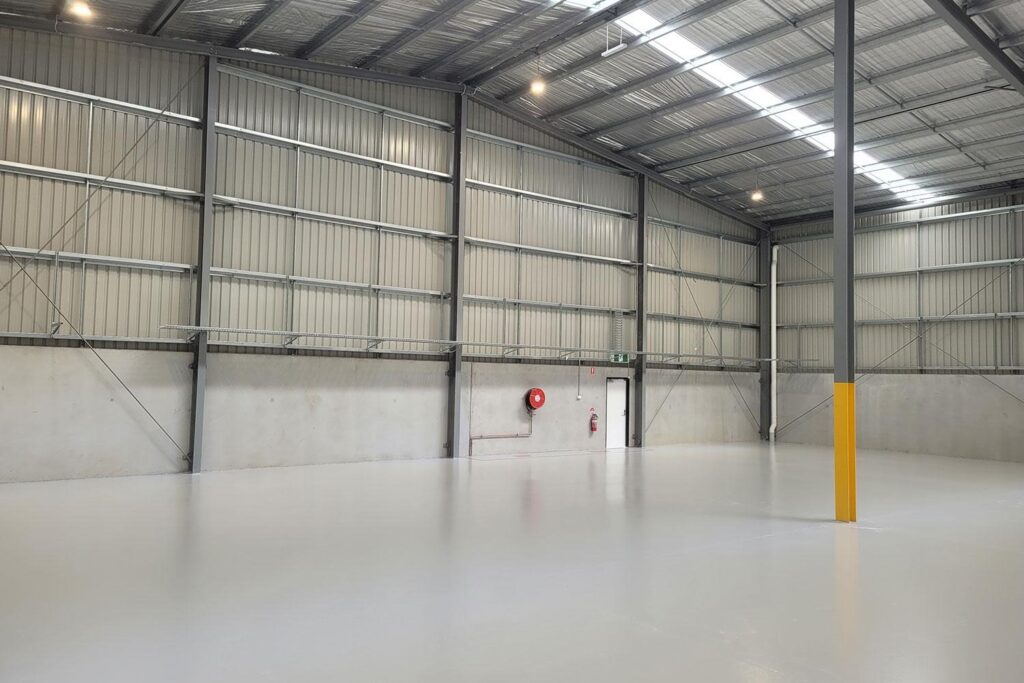
The foundation of any successful epoxy floor maintenance programme is consistency. A regular cleaning routine prevents dirt, debris, and grime from building up and causing long-term damage to your flooring surface.
Daily Cleaning Practices for Epoxy Flooring
Daily maintenance doesn’t need to be complicated. Start each day by sweeping or dust mopping your warehouse floors to remove loose dirt, dust, and debris. This simple step prevents abrasive particles from scratching the surface when heavy equipment rolls over them. For busier areas, consider using a walk-behind scrubber to tackle dirt more efficiently.
Weekly Deep Cleaning Recommendations
Once a week, your epoxy flooring deserves a more thorough clean. Use a mop with warm water and a pH-neutral cleaner specifically designed for epoxy surfaces. Avoid harsh chemicals or abrasive cleaning tools, as these can dull the finish over time. Work in sections and ensure you rinse thoroughly to prevent residue buildup.
How Often Should You Clean Epoxy Floors?
The answer depends on your warehouse’s traffic levels and the type of operations you run. High-traffic facilities may need daily mopping, while lighter-use areas might only require weekly attention. The key is observing your floors and adjusting your schedule accordingly. When choosing cleaning products for industrial epoxy floors, always check that they’re compatible with your specific coating type.
Address Spills and Stains Immediately
Quick action is your best defence against permanent damage to your warehouse epoxy floors. The longer a spill sits on your floor, the greater the chance it will penetrate the surface or cause discolouration.
Why Quick Action Prevents Permanent Damage
Epoxy coatings are remarkably resistant, but they’re not invincible. Certain substances can etch or stain the surface if left unattended. Having a spill response protocol in place ensures your team knows exactly what to do when accidents happen. Keep cleaning supplies readily accessible throughout your warehouse for rapid response.
What Chemicals Can Damage Epoxy Flooring?
Strong acids, caustic substances, and certain solvents pose the greatest risk to your epoxy floors. Battery acid, concentrated cleaning chemicals, and some industrial solvents can break down the epoxy’s protective properties. If your operations involve these materials, consider installing secondary containment measures in those areas.
Dealing with Oil, Grease, and Chemical Spills
For oil and grease spills, use absorbent materials first to soak up the bulk of the liquid. Then clean the area with a degreasing agent that’s safe for epoxy surfaces. For chemical spills, always follow your workplace safety protocols first, then clean according to the specific substance involved. Never use abrasive scrubbers, as these can scratch the floor’s finish.
Protect Your Floors from Heavy Traffic and Equipment
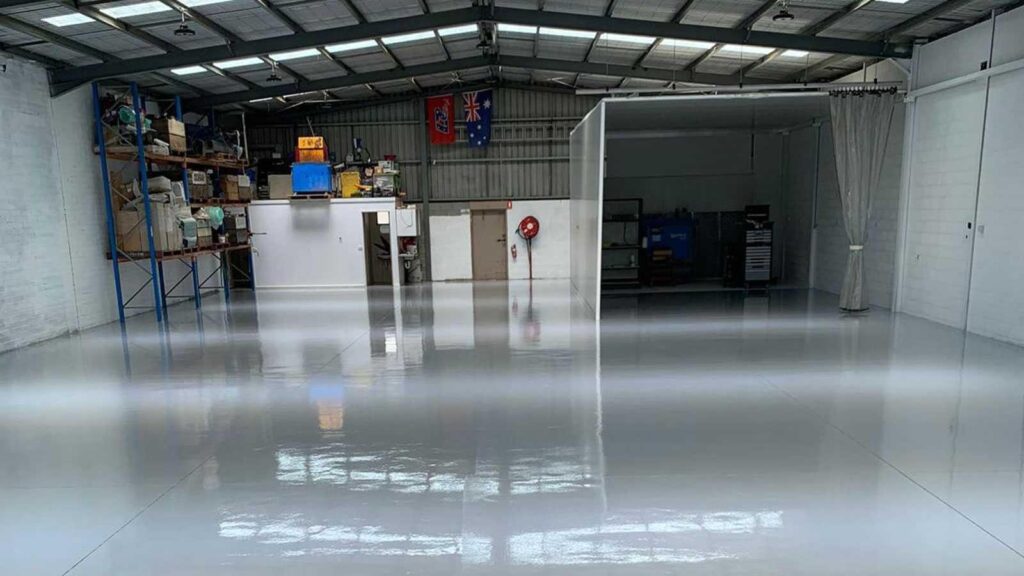
Your warehouse epoxy floors face constant challenges from forklifts, pallet jacks, and foot traffic. Proactive protection measures can significantly extend your floor’s lifespan.
Using Mats and Protective Pads in High-Traffic Areas
Strategic placement of protective mats at entry points, workstations, and high-traffic zones helps capture dirt and reduce wear. Ensure these mats have non-staining backings, as some rubber compounds can discolour epoxy over time. Replace mats regularly and clean beneath them to prevent trapped moisture.
Can Heavy Machinery Damage Epoxy Floors?
Yes, heavy machinery can damage epoxy floors if proper precautions aren’t taken. The key factors include the equipment’s weight, tyre type, and how it’s operated. Polyurethane wheels are gentler on epoxy than hard rubber alternatives. Training operators to avoid sharp turns and sudden braking helps prevent scuff marks and gouges.
Preventing Scratches and Scuff Marks
Best practices for forklift and pallet jack movement include maintaining appropriate speeds, avoiding dragging pallets across the floor, and keeping equipment wheels clean and in good condition. Regular wheel inspections can identify worn tyres that might damage your flooring. Installing wheel stops and guide rails helps direct traffic and protect vulnerable areas.
Conduct Regular Inspections and Repairs
Catching small problems early prevents them from becoming expensive headaches. Regular inspections should be part of your warehouse maintenance schedule.
What to Look for During Floor Inspections
Walk your floors monthly, looking for chips, cracks, peeling edges, or areas where the coating appears worn. Pay particular attention to high-traffic zones, areas near loading docks, and anywhere heavy equipment frequently operates. Document any issues you find and track their progression over time.
How Long Do Warehouse Epoxy Floors Last?
With proper maintenance, warehouse epoxy floors typically last between 10 and 20 years. Factors affecting longevity include traffic levels, chemical exposure, cleaning practices, and the quality of the original installation. Some facilities see even longer lifespans when they maintain consistent care routines.
When to Call a Professional for Epoxy Floor Repairs
Minor chips and scratches can often be addressed with DIY repair kits, but larger issues warrant professional attention. If you notice widespread peeling, significant cracks, or areas where the coating has worn through to bare concrete, it’s time to call in the experts. Can you repair epoxy flooring without replacing it? Absolutely—skilled professionals can patch, resurface, or spot-repair damaged areas without a complete replacement.
Know When It’s Time to Recoat
Even well-maintained epoxy floors eventually need recoating. Recognising the signs helps you plan and budget accordingly.
Signs Your Epoxy Flooring Needs Recoating
Watch for widespread dullness that doesn’t improve with cleaning, visible wear patterns in traffic lanes, or areas where the concrete is starting to show through. If your floors are becoming increasingly difficult to clean or liquids are soaking in rather than beading up, recoating is likely overdue.
How Often Should Epoxy Floors Be Recoated?
Most commercial epoxy floors benefit from recoating every 5 to 10 years, though this varies based on usage. High-traffic warehouses may need attention more frequently, while lighter-use facilities can often extend this timeline. Regular inspections help you determine the right timing for your specific situation.
The Recoating Process Explained
Professional recoating involves thorough cleaning, surface preparation, and application of new epoxy layers. The process typically takes several days and requires clearing the area. Cost considerations for commercial epoxy floor maintenance include the floor’s size, its current condition, and any necessary repairs before recoating.
Common Mistakes That Shorten Epoxy Floor Lifespan
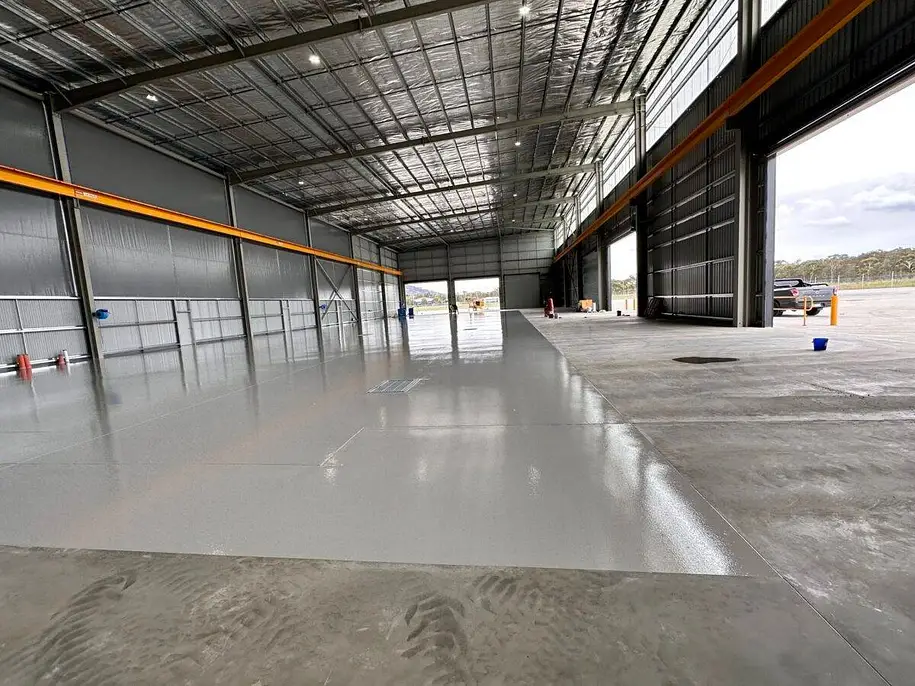
Avoiding these pitfalls will help your floors last longer and look better.
Using harsh or abrasive cleaning tools tops the list. Steel wool, stiff bristle brushes, and aggressive scrubbing pads can scratch and dull your epoxy’s finish. Stick to soft-bristle brooms, microfibre mops, and gentle scrubbing pads designed for epoxy surfaces.
Ignoring small cracks and chips is another costly mistake. These minor issues allow moisture and chemicals to penetrate beneath the coating, leading to more extensive damage. Address problems promptly to prevent escalation.
Neglecting proper ventilation during cleaning can trap moisture beneath your floor’s surface, potentially causing adhesion failure. Ensure adequate airflow when cleaning and allow floors to dry completely before resuming operations.
Creating Your Warehouse Epoxy Floor Maintenance Schedule
You’ve now got the knowledge to keep your warehouse epoxy floors in top condition for years to come. The key is consistency—establishing routines, responding quickly to problems, and staying ahead of wear and damage.
Start by creating a written maintenance schedule that includes daily sweeping, weekly deep cleaning, monthly inspections, and annual professional assessments. Assign responsibilities to specific team members and provide proper training on cleaning techniques and spill response procedures.
Your epoxy flooring represents a substantial investment in your facility’s functionality and appearance. By following these five essential tips—maintaining regular cleaning routines, addressing spills immediately, protecting against heavy traffic damage, conducting inspections, and knowing when to recoat—you’ll maximise that investment’s return. Take care of your floors, and they’ll continue serving your business reliably for decades to come.