Have you noticed your skin starting to lose its firmness? Perhaps you’ve spotted some sagging around your jawline or neck that wasn’t there a few years ago? If you’re nodding along, you’re definitely not alone. Thousands of Australians are searching for ways to turn back the clock without going under the knife.
The world of cosmetic treatments has evolved dramatically over the past decade. Gone are the days when a surgical facelift was your only option for lifting sagging skin. Today, non-surgical alternatives offer impressive results with far less risk and recovery time. Among these innovative treatments, mono threads have emerged as a popular choice for those seeking subtle yet effective skin tightening.
In this guide, we’ll explore everything you need to know about mono thread lifts. From understanding how they work to learning what results you can realistically expect, we’ve got you covered. Whether you’re just beginning your research or you’re ready to book a consultation, this information will help you make an informed decision about whether mono threads are right for you.
What Are Mono Threads? Understanding the Basics
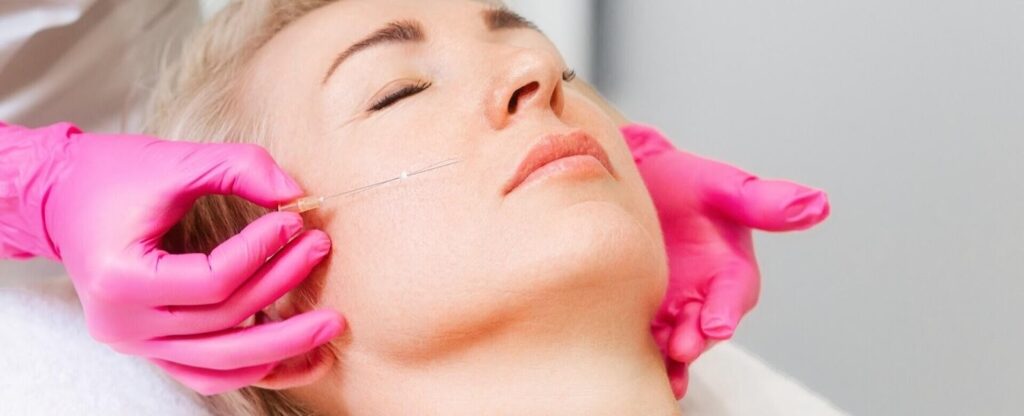
Mono threads are thin, smooth threads inserted beneath the skin to stimulate collagen production and improve skin texture. Unlike barbed threads that physically lift tissue, mono threads work by creating a supportive mesh under the skin’s surface.
How Do Mono Threads Work for Skin Tightening?
The magic happens through your body’s natural healing response. When mono threads are inserted, your body recognises them as foreign objects and kicks off its healing process. This triggers collagen production around each thread, creating a firmer, more supportive structure beneath your skin.
Think of it like scaffolding for a building. The threads provide temporary support while your body builds its own framework of fresh collagen. Over time, this new collagen tightens and rejuvenates your skin from within.
What Are Mono Threads Made Of?
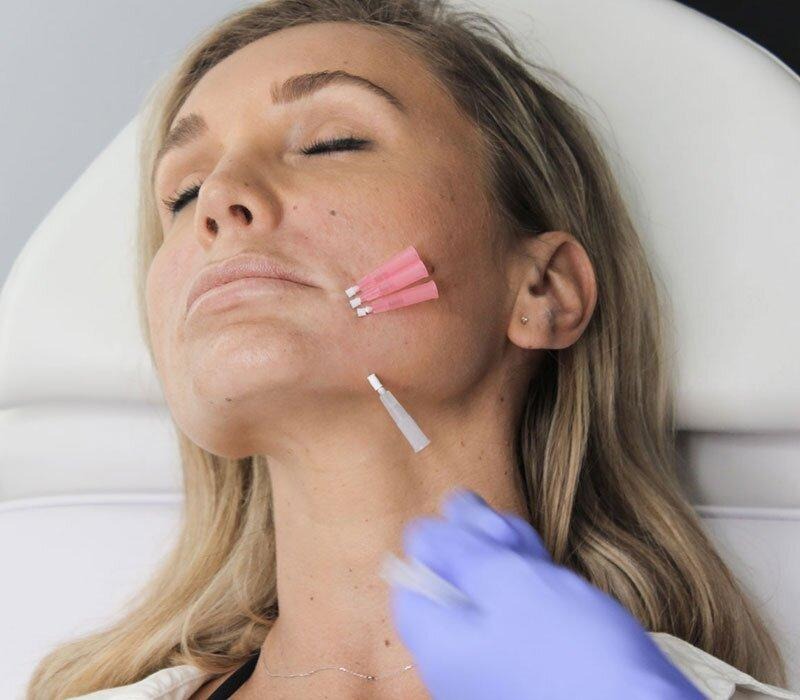
Most mono threads are made from polydioxanone, commonly known as PDO. This material has been used in surgical sutures for decades, so it’s well-tested and safe. The threads gradually dissolve over several months, leaving behind the collagen structure they’ve helped create.
Mono Threads vs PDO Threads: What’s the Difference?
Here’s where things get a bit confusing. PDO refers to the material, while mono describes the thread type. PDO threads come in several varieties:
So mono threads are a type of PDO thread, specifically designed for subtle tightening rather than dramatic lifting.
Key Benefits of Mono Thread Lifts
Minimal Downtime and Quick Recovery
One of the biggest draws of mono thread treatment is how little it disrupts your life. Most people return to normal activities within a day or two. You might experience some mild swelling or bruising, but nothing that stops you from going about your business.
Compare this to surgical facelifts, which often require weeks of recovery. For busy Australians juggling work and family commitments, this minimal downtime is a game-changer.
Natural-Looking Results Without Surgery
Nobody wants to look like they’ve “had work done.” Mono threads deliver gradual improvements that appear natural. Your friends might notice you look refreshed or well-rested, but they won’t be able to pinpoint exactly what’s changed.
Collagen Stimulation for Long-Term Skin Improvement
The benefits extend beyond the threads themselves. The collagen boost continues improving your skin’s quality for months after treatment. This means results that keep getting better over time.
Cost-Effective Alternative to Surgical Facelifts
Let’s be honest – surgical facelifts come with a hefty price tag, often reaching or more in Australia. Mono thread treatments typically cost a fraction of this, making skin rejuvenation accessible to more people.
Who Is a Good Candidate for Mono Thread Treatment?
Ideal Age Range and Skin Concerns
Mono threads work best for people with mild to moderate skin laxity. This typically includes those aged 30 to 55, although everyone’s skin ages differently. Ideal candidates have some skin looseness but haven’t reached the stage where only surgery would help.
Common concerns that respond well to mono threads include:
– Early jowling
– Fine lines and skin texture issues
– Mild neck sagging
– Loss of facial definition
Are Mono Threads Suitable for All Skin Types?
Generally, yes. Mono threads work across different skin types and tones. However, those with very thin skin or significant sun damage may need to discuss alternative options with their practitioner.
What Areas Can Be Treated with Mono Threads?
Face and Jawline Contouring
The lower face is a popular treatment zone. Mono threads can help define the jawline and reduce the appearance of jowls without surgery.
Neck Tightening and Rejuvenation
The neck often shows signs of ageing before the face does. Mono threads can address those horizontal lines and improve overall skin quality in this delicate area.
Other Treatment Areas
Beyond the face and neck, mono threads can treat the décolletage, arms, and even knees – anywhere loose skin needs a bit of tightening.
What to Expect During a Mono Thread Procedure
The Treatment Process Explained
Your practitioner begins by applying numbing cream to the treatment area. Once you’re comfortable, they insert the threads using fine needles in a specific pattern beneath your skin. The threads are then trimmed, leaving nothing visible on the surface.
Is the Mono Thread Procedure Painful?
Most patients describe the sensation as mild pressure or slight discomfort. The numbing cream handles most of the pain, and the procedure itself is relatively quick.
How Long Does a Mono Thread Treatment Take?
A typical session takes between 30 to 60 minutes, depending on how many threads are being placed and which areas are being treated. It’s genuinely a lunchtime procedure.
Mono Thread Results: What Can You Realistically Expect?
How Long Do Mono Threads Last?
The threads themselves dissolve within six to nine months. However, the collagen they stimulate can keep your skin looking better for 12 to 18 months or longer.
When Will I See Results from Mono Threads?
You’ll notice some immediate improvement from the threads’ presence. The real transformation happens over two to three months as collagen builds up. Patience pays off with this treatment.
Before and After: Typical Outcomes
Results vary between individuals, but most people see improved skin texture, subtle tightening, and a more refreshed appearance. Don’t expect dramatic lifting – mono threads are about refinement, not reconstruction.
Safety and Side Effects of Mono Threads
Are Mono Threads Safe?
When performed by a qualified practitioner, mono threads have an excellent safety profile. The PDO material has been used in medicine for decades with minimal issues.
Common Side Effects and How to Manage Them
Expect some temporary effects like:
– Mild bruising
– Swelling
– Tenderness at insertion points
These typically resolve within a week. More serious complications are rare but can include infection or thread migration if aftercare instructions aren’t followed.
Choosing a Qualified Practitioner in Australia
This is crucial. Always choose a practitioner with proper qualifications and experience. Look for medical professionals – doctors or registered nurses – who specialise in cosmetic procedures. Ask to see before and after photos of their work.
Mono Threads vs Other Non-Surgical Treatments
Mono Threads vs Dermal Fillers
Fillers add volume; mono threads tighten and improve texture. They address different concerns and are often combined for comprehensive rejuvenation.
Mono Threads vs HIFU Treatment
HIFU uses ultrasound energy to tighten skin. Both treatments stimulate collagen, but mono threads may provide more targeted results in specific areas.
Can You Combine Mono Threads with Other Treatments?
Absolutely. Many practitioners recommend combining mono threads with dermal fillers, anti-wrinkle injections, or skin treatments for optimal results.
How Much Do Mono Threads Cost?
Factors Affecting Mono Thread Pricing
Costs vary based on:
– Number of threads used
– Treatment area size
– Practitioner’s experience
– Clinic location
In Australia, expect to pay between and per session, depending on these factors.
Is a Mono Thread Lift Worth the Investment?
For the right candidate, absolutely. When you consider the natural results, minimal downtime, and collagen-boosting benefits, mono threads offer excellent value compared to surgical alternatives.
Aftercare Tips for Optimal Mono Thread Results
Following proper aftercare maximises your results. Avoid touching or massaging the treated area for a few days. Skip intense exercise and saunas for at least a week. Sleep on your back initially, and don’t apply makeup for 24 hours.
Is a Mono Thread Lift Right for You?
We’ve covered a lot of ground exploring mono threads and their benefits for non-surgical skin lifting. From understanding how they stimulate collagen to knowing what results you can expect, you’re now equipped to make an informed decision.
Mono threads offer a compelling middle ground between accepting ageing skin and committing to surgery. They’re ideal for those seeking subtle improvements with minimal disruption to daily life. The combination of immediate and long-term results makes them particularly attractive.
If you’re considering mono threads, your next step is booking a consultation with a qualified practitioner in Australia. They’ll assess your skin, discuss your goals, and create a personalised treatment plan. Remember, the best results come from choosing experienced professionals who prioritise your safety and satisfaction. Here’s to looking refreshed and feeling confident in your own skin!