Have you ever wondered if your home’s electrical system is actually safe? When was the last time you took a proper look at your switchboard or tested those safety switches? If you’re like most Australians, the answer is probably “not recently enough.” Electrical safety is one of those things we tend to take for granted—until something goes wrong.
The truth is, electrical faults cause hundreds of house fires across Australia each year. Many of these incidents could have been prevented with regular safety checks. Beyond fire risks, faulty electrics can lead to electric shocks, damaged appliances, and costly repairs down the track. It’s not just about ticking a box; it’s about protecting your family and your property.
In this guide, you’ll learn exactly how to conduct an electrical safety check efficiently. We’ll cover everything from what these checks actually involve to the tools you’ll need, step-by-step instructions for inspecting your home, and when it’s time to call in a licensed sparkie. Whether you’re a homeowner, landlord, or tenant, this information will help you stay safe and compliant. Let’s get stuck into it.
What Is an Electrical Safety Check?
An electrical safety check is a systematic inspection of your home’s electrical installations and appliances. The goal is to identify potential hazards before they become dangerous problems. This includes examining your switchboard, power points, light switches, cords, and connected devices.
The Difference Between Safety Checks and Full Inspections
It’s important to understand that a basic safety check isn’t the same as a comprehensive electrical inspection. A safety check is something you can partially do yourself—it involves visual inspections and testing safety switches. A full inspection, on the other hand, requires a licensed electrician who’ll test circuits, check wiring integrity, and assess the overall condition of your electrical system.
Think of a safety check as your regular health check-up, while a full inspection is more like a thorough medical examination. Both are valuable, but they serve different purposes.
How Often Should You Conduct an Electrical Safety Check?
For most homes, conducting a visual safety check every three to six months is a good rule of thumb. You should test your safety switches monthly—it only takes a few seconds. Full professional inspections are recommended every five years for owner-occupied homes, or more frequently for older properties or rental accommodation.
Who Can Perform an Electrical Safety Check?
Understanding who should handle different aspects of electrical safety is crucial. Getting it wrong could be dangerous or even illegal.
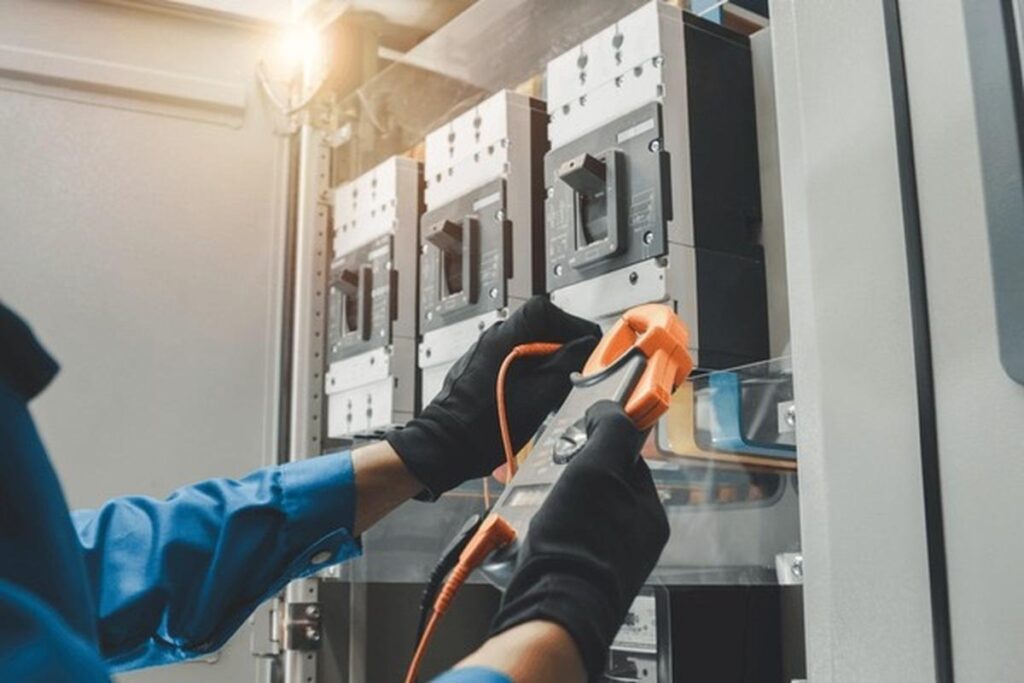
DIY Visual Checks vs Licensed Electrician Inspections
You’re perfectly capable of performing basic visual inspections yourself. This includes checking for damaged cords, testing safety switches, and looking for obvious signs of wear or damage. These simple checks don’t require any special qualifications.
However, anything beyond visual inspection must be left to a licensed electrician. In Australia, it’s illegal for unlicensed people to carry out electrical work. This includes opening switchboards, replacing power points, or attempting to fix wiring issues.
When to Call a Professional
Call a licensed electrician if you notice any warning signs during your visual inspection. Flickering lights, burning smells, discoloured power points, or frequently tripping circuit breakers all warrant professional attention. Similarly, if your home is over 25 years old and hasn’t had a recent inspection, it’s time to book one.
Essential Tools and Equipment You’ll Need
Before starting your safety check, gather the right equipment. Having everything ready makes the process quicker and more thorough.
Basic Equipment for Visual Inspections
For DIY visual checks, you won’t need much. A good torch helps you see into dark corners and behind furniture. A notepad or your phone for documenting issues is essential. You might also want a step ladder to check smoke alarms and ceiling fixtures safely.
Professional Testing Devices
Licensed electricians use specialised equipment including multimeters, insulation resistance testers, and RCD testers. These devices can detect faults that aren’t visible to the naked eye. While you can purchase some basic testing equipment, leave the complex stuff to the professionals.
Step-by-Step Guide to Conducting an Electrical Safety Check
Now let’s walk through the actual inspection process. Take your time with each step and document anything that looks concerning.
Inspecting Your Switchboard and Safety Switches
Start at your switchboard. Look for any signs of damage, rust, or discolouration. Check that all circuit breakers are properly labelled—you should know which switch controls which area. Test your safety switches by pressing the test button; they should trip immediately. If they don’t, call an electrician straight away.
Checking Power Points and Light Switches
Walk through each room and inspect every power point and light switch. Look for cracks, discolouration, scorch marks, or loose fittings. Switches should operate smoothly without any buzzing sounds. If a power point feels warm to touch when nothing’s plugged in, that’s a red flag.
Examining Electrical Cords and Appliances
Check all visible cords for damage, fraying, or exposed wires. Pay special attention to cords that get heavy use, like kettle and toaster leads. Make sure cords aren’t running under rugs or pinched by furniture. Appliances should have appropriate safety certification marks.
Testing Smoke Alarms and Safety Devices
Test each smoke alarm by pressing the test button. Replace batteries annually, even if they seem fine. In Queensland, smoke alarms must be interconnected and hardwired or powered by a 10-year lithium battery. Check your state’s specific requirements, as regulations vary.
Assessing Outdoor Electrical Installations
Don’t forget exterior areas. Inspect outdoor power points, garden lighting, and pool equipment if applicable. Outdoor installations face more exposure to weather, so they’re prone to faster deterioration. Ensure weatherproof covers are intact and functioning.
What Are the Signs of Electrical Problems in a House?
Knowing what to look for helps you catch issues early. Common warning signs include lights that flicker or dim unexpectedly, outlets that spark when you plug something in, and circuit breakers that trip repeatedly. A persistent burning smell, buzzing sounds from switches, or mild electric shocks from appliances all indicate problems requiring immediate professional attention.
Common Electrical Hazards to Look Out For
Understanding common hazards helps you prevent them.
Overloaded Power Points
Australians love using power boards, but overloading them is dangerous. Never daisy-chain power boards together. Calculate the total load of connected devices and make sure it doesn’t exceed the power point’s rating.
Faulty Wiring and Outdated Systems
Homes built before the 1980s may have outdated wiring that doesn’t meet current safety standards. Aluminium wiring, common in older properties, poses particular risks. If your home still has a ceramic fuse board rather than modern circuit breakers, consider upgrading.
Water and Electricity Risks
Water and electricity are a deadly combination. Ensure bathrooms and kitchens have appropriate safety switches. Never use electrical appliances near water, and keep outdoor installations properly weatherproofed.
How Much Does an Electrical Safety Check Cost?
Professional electrical safety inspections typically cost between in Australia, depending on your location and property size. While this might seem like an expense you could skip, it’s far cheaper than dealing with electrical fires or major repairs. Many electricians offer combined services, so ask about bundling inspections with other maintenance work.
Electrical Safety Check Requirements for Rental Properties
Landlords have specific legal obligations regarding electrical safety. In most Australian states, rental properties must have working safety switches and smoke alarms. Victoria requires electrical safety check before new tenancies begin. Queensland mandates specific smoke alarm standards. Check your state’s residential tenancy authority for current requirements.
How to Document and Report Your Findings
Keep detailed records of all safety checks. Note the date, what you inspected, any issues found, and actions taken. Take photos of any concerns to show your electrician. If you’re a landlord, maintain these records as evidence of compliance.
What Happens If You Fail an Electrical Safety Check?
If a professional inspection identifies issues, you’ll receive a report detailing the problems and recommended repairs. Some faults require immediate attention, while others may have longer timeframes. Address urgent safety issues promptly—ignoring them puts lives at risk and could affect your insurance coverage.
Tips for Maintaining Electrical Safety Between Checks
Keep your electrical system safe year-round by avoiding overloaded power points and replacing damaged cords immediately. Teach children about electrical safety and keep appliances away from water. Schedule professional inspections when buying a new home or after major renovations.
Staying Safe and Compliant
Conducting regular electrical safety checks isn’t complicated, but it does require consistency. By following the steps outlined in this guide, you’re taking meaningful action to protect your home and everyone in it. The few minutes spent testing safety switches and visually inspecting your electrical installations could genuinely save lives.
Remember, while DIY visual checks are valuable, they’re not a substitute for professional inspections. Licensed electricians have the training and equipment to identify hidden dangers that you simply can’t see. If your home hasn’t had a professional inspection recently, consider booking one soon.
Ultimately, electrical safety is everyone’s responsibility. Whether you’re a homeowner wanting to protect your family, a landlord meeting your legal obligations, or a tenant checking your rental is safe, regular electrical safety checks are non-negotiable. Stay proactive, stay safe, and don’t hesitate to call a professional when something doesn’t look right.